Italian marble. The pinnacle of luxury.
Hand-selected slabs from Carrara, Calacatta and Statuario quarries in Tuscany. Marble brings unmatched depth, a naturally cool surface and a patina that develops beautifully over a lifetime. Templated and fitted across Dublin, Louth, Meath and the rest of Ireland by our specialist stone team.
What is a marble worktop?
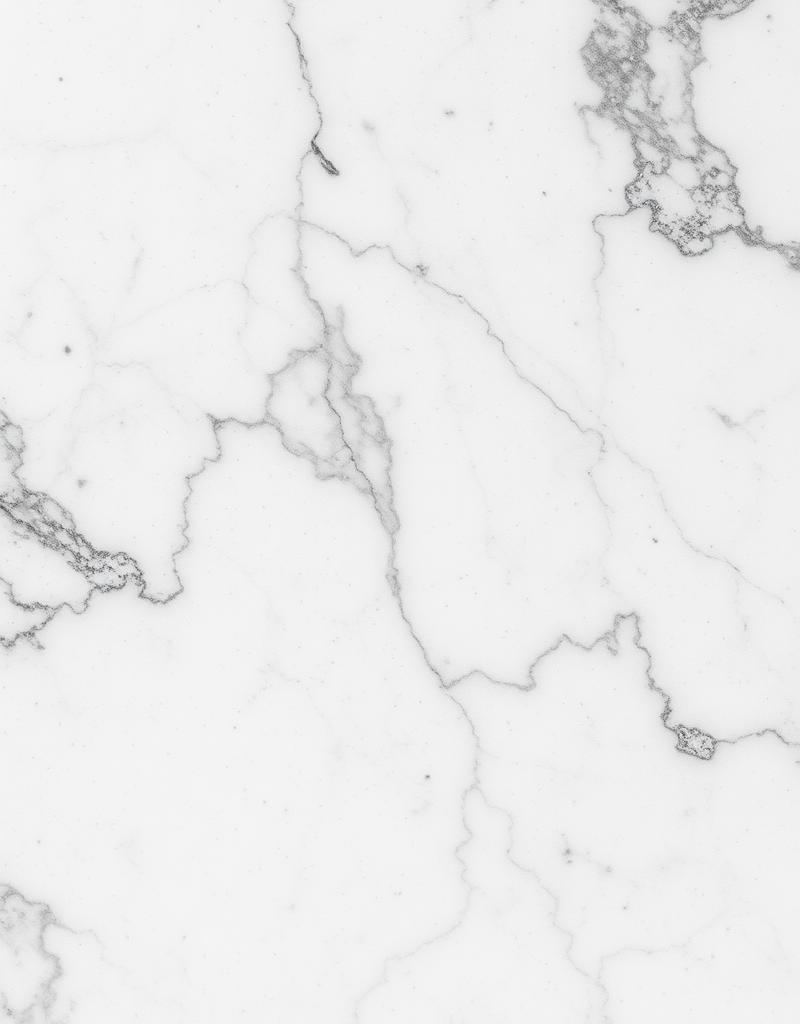
Marble worktops are kitchen surfaces fabricated from natural metamorphic stone — most commonly Carrara, Calacatta or Statuario marble quarried in the Apuan Alps of Tuscany, Italy. Marble has been the surface of choice for the world's finest hotels, Renaissance sculpture and luxury kitchens for over two thousand years. It is naturally cool to the touch, develops a soft patina with use, and remains the most prestigious natural stone available for kitchen worktops in Ireland.
Why choose marble?
Timeless prestige
The surface of Renaissance sculpture and the world's finest hotels — for over 2,000 years. Marble carries a status no engineered surface can match.
Naturally cool to the touch
Marble's thermal mass keeps it cool — beloved by pastry chefs, bakers and anyone working with chocolate or pastry.
Unique Italian veining
Every slab is geologically unique. View your exact slab in person before fabrication and we'll help you choose the perfect run.
Lifetime patina
Marble develops a rich, lived-in character with use — embraced by heritage homes and high-end country kitchens.
Italian-quarried provenance
We source directly from Carrara, Calacatta and Statuario quarries — full traceability, premium quality and competitive pricing.
Honed or polished
Choose a polished mirror finish for maximum drama, or a softer honed matte surface that handles wear with greater grace.
Where marble needs care.
Softer than granite or quartz
Marble is softer than other premium stones — it can scratch, etch (lose its polish from acid contact) and chip more readily. It rewards careful use rather than abuse.
Acid-sensitive
Lemon juice, vinegar, wine and tomato sauce can etch unsealed marble within minutes. Honed finishes hide etching better than polished. Embrace the patina.
Needs sealing and care
Marble is porous and benefits from sealing every 6–12 months. Spills should be wiped immediately. It is a luxury surface — and rewards a touch of luxury care.
How much do marble worktops cost in Ireland?
From €700/lm
Standard Carrara CD or Bianco Carrara, 20mm thickness, eased edge. The classic Italian marble entry point.
€900–€1,300/lm
Calacatta Gold, Calacatta Vagli or Statuarietto at 30mm with mitred edges — bolder veining, premium provenance.
€1,400–€2,500/lm
Statuario, Calacatta Borghini, Arabescato — book-matched runs, full-height splashbacks and waterfall islands.
Pricing is per linear metre supplied and fitted, including standard templating, fabrication, delivery and installation across Ireland. Marble pricing varies significantly slab-to-slab — final quote depends on quarry, block selection and any bookmatching requirements. Itemised quote within 24 hours.
When marble is the right choice.
Ideal for
- Statement luxury kitchens in Dublin, Meath and Louth where prestige is the brief
- Pastry chefs, bakers and anyone serious about pastry and chocolate work
- Heritage period properties — Georgian Dublin homes, country estates in Meath
- Owner-occupiers who love patina and the lived-in character of natural stone
- Showstopper island tops with bookmatched veining
Consider another stone if
- Busy family kitchens with young children and zero tolerance for etch marks (choose quartz with marble-effect veining)
- Anyone wanting a perfectly maintenance-free surface (choose quartz or Dekton)
- Rental properties or homes being prepared for sale to the broadest buyer pool
Marble for every kitchen style.
Heritage Dublin Georgian
Polished Carrara on a freestanding island anchors a period kitchen with timeless elegance.
Italian-inspired luxury
Calacatta Gold with brass tapware and panelled wall cabinetry — pure La Cornue energy.
Pastry chef's kitchen
Honed marble on a baking station gives you the cool surface professionals rely on for pastry, chocolate and confectionery.
Country estate
Statuario worktops in a painted shaker kitchen with an Aga and Belfast sink — peak country house charm.
Statement island only
Use marble just for the island, with a lower-maintenance surface elsewhere. The most popular way to enjoy marble without committing the entire kitchen.
Boutique hotel suite
Bookmatched Arabescato on a full-height splashback creates the kind of drama you'd expect in a five-star suite.
How to care for marble.
- 1
Wipe spills immediately — especially anything acidic (lemon, wine, vinegar, tomato, coffee). Quick action prevents etching.
- 2
Reseal every 6–12 months with a marble-safe impregnating sealer. It's a 10-minute job.
- 3
Use coasters under glasses, mats under bottles, and a board under any acidic prep work (lemons, tomatoes).
- 4
Clean with warm soapy water or a marble-specific cleaner. Never use acidic cleaners, vinegar sprays or harsh chemicals.
- 5
Choose honed marble if you want the look but a more forgiving finish — honed surfaces hide etching far better than polished.
- 6
Embrace the patina. Marble that's been used and loved for a decade looks more beautiful, not worse — that's the whole point.
Marble vs Quartz (marble-effect).
Real Italian marble offers prestige, depth and patina that no engineered surface can match — but at the cost of more careful daily use. Marble-effect quartz delivers a similar visual at lower price and zero maintenance. The right choice depends on whether you want a kitchen that ages or one that stays perfectly new.
| Feature | Marble | Quartz (marble-effect) |
|---|---|---|
| Composition | 100% natural Italian stone | Engineered (90%+ quartz + resin) |
| Visual depth | Unmatched — real translucency | Excellent — printed veining |
| Prestige | The highest of any worktop | Strong — but engineered |
| Stain & etch resistance | Limited — needs care | Excellent — non-porous |
| Maintenance | Sealing + careful daily use | Zero sealing required |
| Patina with age | Develops character | Stays uniform |
| Starting price | From €700/lm fitted | From €450/lm fitted |
Marble worktops, fitted across Ireland.
We supply and fit Italian marble worktops across Ireland — including marble worktops in Dublin, marble worktops in Meath and marble kitchen surfaces in Louth. Marble is most often fitted as a statement island or pastry station in high-end Dublin renovations, country house extensions in Meath and luxury coastal properties in Carlingford and Termonfeckin.
For Dublin projects, we also have a dedicated Marble Worktops Dublin page with local supply, fitting and pricing information.
You're welcome to inspect full marble slabs in person before committing. Every slab is unique and choosing the right run is a key part of the design process.
For a clear comparison of fitted quartz, granite, Dekton and marble starting prices, visit our Kitchen Worktop Prices Ireland guide — the marble worktop prices Ireland section covers slab choice, edges and thickness.
Marble worktop FAQs.
Is marble worktop a good idea?
+
Yes — if you understand and embrace its character. Marble is the most prestigious worktop material available, with a natural depth no engineered surface can replicate. It does etch and patina with use, which most marble owners come to love. If you want zero maintenance, choose marble-effect quartz instead.
Does marble stain?
+
Marble can stain, particularly from oil, wine and dark juices, if spills are left to sit. Prompt wiping and a fresh sealer keep marble looking beautiful. Honed marble hides minor marks better than polished.
Carrara vs Calacatta — what's the difference?
+
Both are quarried in the Carrara region of Tuscany. Carrara has finer, softer grey veining on a slightly grey-white base — quieter and more affordable. Calacatta has bolder, more dramatic veining on a brighter white base — more luxurious and more expensive. Statuario sits above both, with the boldest veining of all.
Does marble need sealing?
+
Yes — marble is porous and benefits from a marble-safe impregnating sealer every 6–12 months. It's a 10-minute DIY job. Sealing helps with stain resistance but does not prevent acid etching — only careful daily habits prevent etch.
Is marble heat resistant?
+
Marble tolerates moderate heat well but can scorch or thermally shock under direct contact with very hot pans from the hob. Always use a trivet. For pastry and baking work, marble's naturally cool surface is one of its biggest practical assets.
Can marble be repaired?
+
Minor etch marks can usually be polished out by a stone specialist. Chips can be filled with a colour-matched epoxy. More serious damage — deep cracks, structural breaks — is harder to fully hide and may require a section replacement.
Is marble worth the price for a Dublin kitchen?
+
For owner-occupied luxury Dublin renovations where prestige and natural character matter, absolutely. For rental properties or homes prepared for resale, marble-effect quartz appeals to a broader buyer pool and offers a similar visual at lower cost and zero maintenance.